The reality of growth
)
Gary Jeffries, director of operations at the Little Nurseries Group, describes how the company expanded from one setting to 12, with plans to grow further.
Like many early years providers, we started small, with one nursery and a huge amount of determination. When we acquired our first nursery in 2021, the vision was simple: to enhance the setting where children received exceptional care, staff felt valued, and families felt part of a community.
Fast-forward a few years and we are now preparing to acquire our tenth, eleventh and twelfth settings later this year. Growth at that pace is incredibly exciting, but it is also complex. Moving from one or two nurseries to a larger group requires a very different way of thinking about leadership, quality and structure.
In the early days, everything was very close to the ground. I was able to be visible every day – greeting families, supporting practitioners and spending time in the rooms. Decisions were made quickly, communication was easy and quality assurance often came simply from being physically present in the setting.
As the organisation began to grow, however, I quickly realised that this approach was no longer sustainable. The challenge shifted from personally overseeing everything to ensuring the same standards, culture and expectations existed across multiple nurseries.
That shift in mindset is one of the biggest transitions when moving from one or two settings to a larger group.
Challenges
Like many providers, recruitment has been one of our biggest challenges. The early years sector continues to face significant staffing pressures, and as the group expanded, the demand for skilled practitioners and strong leaders grew rapidly. I quickly realised that recruitment alone was not the solution. Retention, wellbeing and professional development are just as critical.
Funding pressures have also been a constant backdrop. Balancing rising operational costs, government funding rates and the need to invest in staff, environments and resources is something every nursery provider understands. Growth does not remove these pressures – in many ways it amplifies them.
Milestones
But alongside the challenges have been some incredible highs. One of the milestones I’m most proud of is developing our own curriculum. Creating a shared approach to teaching and learning allowed us to define clearly what great early years education looks like within our group. It has given practitioners a clear framework and helped ensure consistency for children and families across all our settings.
Another proud moment came through Ofsted, where we achieved an Outstanding judgement alongside a mixed judgement inspection across the group. For me, the real success was not just the rating itself, but the recognition that the culture, teaching and leadership across our settings were making a genuine difference to children.
Group structure
However, as the organisation continued to grow, it became clear that growth without structure can quickly create risk. Maintaining quality across multiple nurseries requires systems, accountability and strong leadership at different levels of the organisation. That realisation led me to step back and take stock.
I began working with the team to develop a stronger group structure, introducing dedicated roles focused on quality, curriculum and compliance. By creating these positions at group level, we were able to provide greater support to nursery managers while ensuring consistency across every setting.
Quality assurance became more structured, curriculum development became more collaborative, and compliance processes were strengthened to ensure that each nursery operated with the same high standards.
At the same time, it was important to me that growth didn’t dilute our values. Initiatives such as our wellbeing programme were introduced to support staff across the organisation, recognising that high-quality early years provision depends on motivated and supported teams.
We also launched ‘Little Extras’ – enhancements designed to enrich the experience for children and families while reinforcing our identity as a group.
Consistency
As we continued to expand, another priority was putting systems in place to ensure that growth did not come at the expense of consistency.
We introduced regular audits, quality reviews and compliance checks across the group. These processes allow us to monitor standards, identify strengths and highlight areas where additional support may be needed. Rather than relying on informal oversight, these systems give us a clear picture of how each nursery is performing and help ensure expectations remain consistent.
Personally, this stage of the journey has also been one of the biggest leadership challenges for me. In the early days I could be visible to everyone. I knew every team member, spent time in rooms and could easily stay connected to the day-to-day life of the nursery. Today, with more than 250 staff across the group, that level of visibility is far harder to maintain.
Being present for staff has always been something I feel strongly about, and I still work hard to stay connected with our teams. But one of the biggest lessons I have had to learn is that I cannot do everything myself. Letting go of certain responsibilities and trusting others has been an important part of our growth journey.
I am incredibly fortunate to work with an amazing team around me. Our curriculum and compliance officers play a vital role in maintaining standards, while our nursery managers and management teams lead their settings with dedication and professionalism. Across the organisation, our practitioners bring enormous passion and commitment to the children and families they work with every day.
It is also important to recognise the many support teams that contribute so much behind the scenes – our sports coaches, language teachers, and music and drama coaches who enrich the children’s experiences, as well as our cooks, maintenance teams and cleaners who keep our environments safe, welcoming and running smoothly. Every one of these roles plays a part in supporting our nurseries and helping to lighten the load so that our teams can focus on what matters most: delivering the best possible experiences for children. Without them, none of this growth would be possible.
I have also been incredibly lucky to work with nursery owners who have placed a great deal of trust in me and the leadership team. From the beginning they have supported the vision for the group, backed many of our ideas and initiatives, and involved both myself and my team in key decision-making. That level of trust and collaboration has made a huge difference and has allowed us to build something that feels shared rather than imposed.
That doesn’t mean the responsibility feels any lighter. As the group grows, so does the sense of accountability. There are times when the pressure of trying to meet the expectations of staff, families and the wider sector can feel significant.
Leading a growing organisation means constantly balancing strategic decisions with the knowledge that those decisions affect hundreds of people.
But what continues to motivate me is the shared purpose that runs through our nurseries. Every setting that joins the group brings new teams, new communities and new opportunities to shape children’s early experiences positively.
While the scale of the organisation continues to evolve, the purpose remains the same as it was in 2021: creating environments where children thrive, staff feel proud of their work, and families feel confident in the care and education their children receive.
Growth may change the size of what we do – but it never changes why we do it.
The next phase
Looking ahead, the next phase of our journey will bring its own set of challenges. Over the coming months we will begin to experience inspections under the new Ofsted framework, while also integrating additional settings into the group. Both developments will require us to continue adapting, reflecting and strengthening the systems we have put in place.
The early years landscape is constantly evolving, whether through regulatory changes, funding pressures or workforce challenges. As a growing organisation, we need to be able to respond to those changes while still protecting the things that matter most.
For me, that comes back to having the right foundations in place. Strong systems are important, but it is the culture and the people within the organisation that ultimately make growth sustainable. If you have a clear vision, supportive leadership and teams who believe in what they are building together, it becomes much easier to navigate uncertainty.
As we move into this next chapter, welcoming more nurseries into the group and preparing for inspections under a new framework, I know there will be further lessons to learn. But with the right core values, culture and team around us, I am confident that we can continue to grow while maintaining the standards and experiences that children, families and staff deserve.
As we look at new acquisitions, my focus is always on identifying settings where we can genuinely add value. Growth for us is not simply about increasing the number of nurseries we operate; it is about strengthening quality, supporting teams and building sustainable environments where children and families benefit from the improvements we bring.
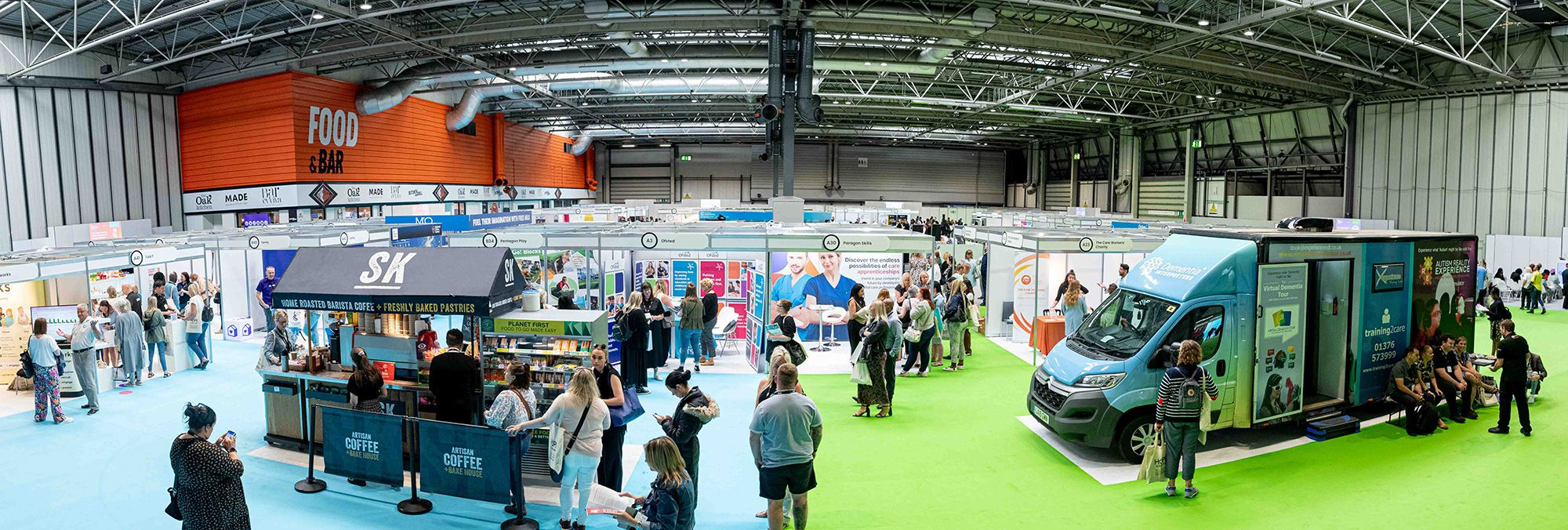
At the Nursery Management Show on 26 June, Gary Jeffries will be taking part in a panel discussion on Maintaining Quality in a Growing Nursery Business.
)